
If the video above is not available, here are two other ways to view:
David’s Legacy – the Richest Man
060122AM
DSS-04
2nd Corinthians 5:9-15
Transcript
.jpg)
I’d like you to think this morning about your legacy. I don’t know if you read a lot of the Financial Times, but they say that there’s an intergenerational passage in America of the wealthy generation that is now reaching the end of their journey and passing on about twelve trillion dollars in their financial legacy. And a lot of us think of legacy both tangibly and intangibly. Tangibly, what are we going to leave to those that survive us, our husband or wife, and then to our children and grandchildren? And intangibly, what kind of a reputation we’re going to leave behind and what we’re going to be remembered for.
.jpg)
This morning, I’d like to make a point about God’s greatest servant recorded in the Bible, David’s legacy. Because I’d like you to think about the legacy of this man that God wrote more about than anyone else in the Scripture. Because when the life of the greatest recorded servant in the Bible ended, what was left behind? Have you ever thought, what was the legacy of King David? Our legacy is what we leave behind to those we love. But what did David, God’s servant, leave behind? His epitaph, actually, it was written by God. We studied that in Acts 13, nine words where God said, David served the purpose of God in his generation. What an epitaph! What a legacy that was!
So, the first thing David left behind was a life that testified that God saw him as a servant. That’s his intangible legacy. Tangibly, what did David leave behind? Humanly speaking, David probably left behind the greatest fortune that was ever amassed by any one individual on the planet Earth. Now, most of us don’t think of that, and I’d like you to think about that. If we see things as God does, you would say that David left everything behind. All of us must, but he didn’t leave behind everything because before he died, he actually gave it all to the LORD, so he didn’t lose a thing. If we see things as God sees things, we see the heart motivation of a true servant of God showing forth from David’s life. David was a real servant of God. We followed his trails in the past weeks from his earliest days across the Scriptures. We know from God’s Word that a genuine servant really doesn’t own anything. That’s what a servant is. A servant is owned by another, is ordered around by another, namely their owner and master. And we know from God’s Word that that genuine servant doesn’t own anything because they belong to someone else. And he, and all he has, is owned and controlled by another. And so, David the servant was owned and controlled by God. That’s what a servant is all about. All David had was the LORD’s, and that’s exactly what it should be like in our legacy. We should leave a legacy behind that we serve God’s purposes as His servant, and that all we have and own, we already have given back to the Lord for His use, and for His honor, and for His glory.
.jpg)
Remember those words that should ring in our hearts, and I want you to open there with me. 1 Corinthians, in your Bible, New Testament book, 1 Corinthians chapter 6. These are the words that should ring in the hearts of God’s servants. 1 Corinthians 6 verses 19 and 20, and I want you to look there with me. It says in 1 Corinthians 6:19 in the New King James, or do you not know that your body is the hieron, the temple, of the Holy Spirit—it’s not just the general temple; it’s the actual, the Greek word for the holy place the very heart of the temple—who is in you, whom you have from God, and you are not your own? So, the end of verse 19 makes a very profound statement about us: bought by God as His servants, that we don’t belong to ourself. Verse 20, for you were bought at a price. And here’s the result statement: therefore, glorify God in your body—that’s tangibly—and in your spirit —that’s in the immaterial, the part that no one sees—because both are God’s.
Now I love what Ken Taylor, the great paraphraser, he actually rewrote the New Testament in segments for his children. It’s called Living Bible, Living Letters, Living Prophecies, Living Gospels, all the different little parts. If you were alive in that period, Billy Graham used to give them out every time he finished a section, he’d give them out at his crusades to anybody that would write in. Ken Taylor, who recently died and had a glorious homegoing and wonderful testimony service. This is what he wrote on 1 Corinthians 6. Haven’t you yet learned your body is the home of the Holy Spirit? God gave Him to you. He lives within you. Your own body does not belong to you. For God bought you with a great price. So, use every part of your body to give glory back to God because He owns it. Very good. Very great.
Turn to the right to 2 Corinthians chapter 5, and this is going to be the text we’re going to read, 2 Corinthians chapter 5 because I want to talk about the legacy that each of us should leave, and present, and have before the Lord someday. 2 Corinthians chapter 5, and what I want you to do is to think about what our legacy means in our day-to-day life. And so, to do so, I want to read backward starting in verse 15. We’re going to read back to verse 9. How do you like that? That’ll make you pay attention! Okay, and I don’t mean every word. I mean verse backward, backward, backward. Not the entire verse. Okay? We’re not that clever. Starting in 2 Corinthians 5:15 through 2 Corinthians 5:9. Verse 15, and that He died for all—and here’s the important part of the fifteenth verse—that those who live should live no longer for themselves. Christ died to save us from living for ourselves, and people who are living for themselves are wasting their lives. And if they’re believers, it’s going to all be burned up every moment you live for yourself. So, Jesus saved us, verse 15, that we should no longer live for ourselves, because that’s what we did before we were saved, but for Him who died for them, and rose again. Back up to verse 14, for the love of Christ compels us. So, when we get saved, and He buys us, and we realize it, His love compels us to live differently. The love of Christ compels us, because we judge thus: that if One died for all, then we all died. I died. I don’t need to live for myself anymore. I’m supposed to live for Him.
Now, back up to verse 10. Here is the moment that we’re all looking forward to, verse 10 of 2 Corinthians 5, for we must all appear before the judgment seat of Christ. And what is going to happen there? We’re going to receive the things done in our body, and we already know what God wants and doesn’t want because we already read that He doesn’t want us to live for ourselves. He doesn’t want us leaving His service and going off and doing our own thing. He wants us to lifelong live as His servant, that we belong to Him, all we have belongs to Him. That’s what He wants, and we’re going to receive for the things done in the body, whether we served Him, according to what we have done, whether good or bad. Good: servant. Bad: self-serving. Everything self-serving burns up, turns to wood, hay, stubble, are ashes and soot, and it’s gone. Everything lived for Him as a servant endures. Now, verse 9, back up one more. Therefore, because we should no longer live for ourselves in verse 15, and because the love of Christ compels us in verse 14, and because we’re going to appear before the judgment seat of Christ in verse 10. Therefore, because of all that, we make it our aim, whether present or absent, to be well pleasing to Him. Wow. That’s the legacy of God’s servants.
Let’s bow before the Lord in prayer. Father, I thank You that You have explained to us what you expect from us, and we’re all going to leave a legacy. I pray as we examine David’s legacy that we would make some conscious choices about our own. In the name of Jesus and by Your Spirit’s power, we pray, amen.
.jpg)
You may be seated. As you’re seated, I want to read off a list of current biographical people from modern history, okay. Some of them, their names are still with us, and some of them, their name and their body is still with us. And I want you to think about what comes to your mind first when I name the following people from modern history. John D. Rockefeller, Henry Ford, J. Paul Getty, Warren Buffett, Bill Gates. Now what do five those five men have in common? Indescribable what? Wealth, yeah. Boy, that’s all we think about. Can you imagine the first billionaire, J. D. Rockefeller, who used to give away dimes, and his life’s goal was to just make one more dollar. He said that, he said, all I want in life is to make one more dollar. And he already had a billion of them; he just wanted one more. The first thing most people associate with them is vast wealth and riches.
Now, let me name another person from history, and he’s very well known. And when I say his name, what do you think of? And his name is David, the shepherd boy, the psalmist, the king of Israel. Now, did you think of wealth? Not before we started studying it, you probably didn’t. You didn’t think of David. You thought of him as a shepherd boy, a giant killer. You thought of him as a king. You thought of him as a warrior. Maybe sadly, you thought of him, David and Bathsheba, as someone that wasn’t guarded in one time in his life. But did any of you think of wealth and riches? Probably not, yet David was far wealthier than all five of those men I just named combined, doubled, tripled, and multiplied by one another. David was wealthier than anyone has ever been in his own personal fortune. Now, he passed it on to Solomon building the Temple, but he already gave it to the LORD, so it wasn’t really Solomon’s. So, David indisputably, even by the records that I looked up in the US the department that tracks precious metals and commodities, even by their records, David was the wealthiest man that ever lived on planet Earth.
I want to show you what I mean. Turn back to the book of Chronicles. Look at the second half of 1 Chronicles 22. Because how much wealth did David have? 1 Chronicles 22 tells us it’s really an unbelievable amount. Yes, 3,000 years ago, 1 Chronicles 22:14 says that David had this much wealth. And this is when wealth was measured by gold and when monetized wealth of the world was measured by how much of this gold you could amass. David had, in 1 Chronicles 22:14, 5,000 tons of gold. Tons. A ton, and I’m not going to get real complicated here in the metric ton and whether we’re going to talk about, because that’s 1.102 times as much as our American ton of 2,000 pounds would be 2,204 pounds. We’re not going to calculate right down to the ounce, but David had, look at verse 14. I’ve taken much trouble to prepare for the house of the LORD one hundred thousand talents of gold. In our language, 5,000 tons of gold. That’s a lot of gold.
.jpg)
There are many physical aspects of gold that are truly amazing. Why would people collect this? Why would he build up all this gold? Let me read you from the dictionary. Gold is the most malleable. That means it can be shaped and formed more easily than any other metal into very thin sheets. It’s the most ductile. That means it can be drawn into wires of all metal. So, it’s the most malleable and ductile. It’s kind of like what a good service should be, right? You can be stretched and you can be spread, and it’s good and you like it. A goldsmith can hammer one gold ounce coin into a thin translucent wafer that covers 100 square feet. Wow. You could carpet your whole room. At home, if you have a 10-by-10 room with one ounce of gold, that’d be cheaper than carpet probably. I don’t know how much carpet is, but it would only be five millionths of an inch thick. It’s ductile. One gold coin, an ounce coin can be drawn into a wire fifty miles long before it breaks. If it’s pulled and drawn one little, whatever US gold eagle can be 50 miles long, but even better than that, you can take that and, thread copper through and coat it with gold, and you can thread 1,000 miles of copper wire with one ounce of gold because it’s just so able to be duct-ible and be drawn out into a great length. But that’s not all. I was going to bring a basketball this morning and tell you all holding a basketball up, but all of ours had the air out of them because we play so much. But did you know if I had a basketball made of solid gold, that there’s not a person in this room that could pick it up? A basketball. You know it’s even better. This is a cubic foot. This is 12 by 12 by 12. See this box, US priority mail box? If that was made of gold solid, it would weigh 1,206 pounds. That’s how dense gold is. It’s one of the densest metals in the world. Nobody in this room could pick this up if it was made of solid gold.
And David had this precious, unbelievable metal that most of us can hardly understand all the qualities of because we don’t have any. And he had accumulated more than half of all the gold in the world in his day. Now this is what I read from the US government. There have been 120,000 metric tons of gold in the entire history of the planet mined out of the ground and found in the streams of this planet. Suffice it to say the total world’s hoard of the shiny metal would only fill a normal. If you had a house that was 3,600 square feet, 60 by 60, and you put that house there and put another one on top of it, that’s the size all the gold in the world would be. It would be a cube 60 by 60 and up to the roof peak of those two houses by 60. One cube. That’s all the gold there’s ever been in the whole world, total. By everybody, we’re talking about the Pharaohs, and we’re talking about South America, the Incas and Mayans and all those people. We’re talking about all the wealth of China and India. Everything in one place. It’s 120,000 metric tons.
.jpg)
That’s great. So, what about that? How much is 5,000 tons of gold, or as we see in our verse, 100,000 talents? Right here in America, we have a federal building called Fort Knox in Kentucky that has 4,600 tons. How much did David have? 5,000. Fort Knox, America’s gold hoard, has 4,600 tons of gold. According to the precise government records, we have 147,300,000 ounces of gold under very careful guard. That happens to be the most gold reserves of any nation on Earth. Of course. Would we have it any other way? We’ve got the most of everything, and so we have to have the most gold too. So, the largest single pile of gold owned by anyone on Earth today is 4,600 tons, and it’s here in Kentucky. So, 3,000 years ago, David exceeded all the wealth in gold held by the richest nation in the history of the planet on Earth, the USA, and David exceeded Fort Knox’s holdings by almost 1,000,000 pounds. Wow.
But that still doesn’t make any sense to us because we don’t deal in gold. So, let’s just take the whole monetization. How much did David really have in comparison to our modern currency? If you dig into the commodities markets, you’ll find the following facts in their endless tables of records. In all the history of the world to 1835, there was at the most only 20,000 tons of gold produced. So up until 1835, the whole planet, till 1835, till Abraham Lincoln’s time, the whole planet had 20,000 tons of gold. David had five of them all at once. If you back up in history, in David’s time, according to all the people that study this, there couldn’t have been more than 10,000 talents on the whole planet, and they thought much less because they didn’t know how to go two miles underground like we do in South Africa, and three miles underground, and four miles underground and find it.
So, all that to say this. At the very least, David held at the end of his life half or more of all the gold denominated wealth on planet Earth. At the end of his life, he had more than half of everything. It makes me think of Jesus saying, what is the profit if you gain the whole world? Here’s Someone, the Son of David said that David himself had a majority share of the wealth of the entire world. So, David’s gold was worth in our modern times, 89,000,000,000 dollars in commodity value, but in his day, his wealth exceeded half of all the monetary gold wealth valued in the entire world. Some economists say the sum total of all the monetary wealth in the world today is in the realm of 250,000,000,000,000,000 dollars. If we sold everything and just put it all in one pile of digits, the whole world could be bought for 250,000,000,000,000,000 dollars. So, in David’s day, he had more than half of it all, so in David’s day, he would’ve been worth about 125,000,000,000,000,000. How much now does Gates, and Buffett, and Berkshire Hathaway, and all the equity markets combined, they are nothing compared to 125,000,000,000,000,000.
.jpg)
So, David was very wealthy, and David had wealth that’s staggering, even hard for us to believe, yet no one ever thinks of him as wealthy until they study that part of his life! Did you ever think of him as some big wheeling Howard Hughes type, buying everything in sight? Some wealthy Arab Emir who just buys everything you can see? No, no. If you wonder why David’s wealth is usually never thought about, the answer is found in a study of the assets of God’s servants. The assets of God’s servants usually follow the words of their Master. So, let’s turn real quickly to Matthew chapter 6, because Jesus is called the Son of David. Actually, David was the servant of Christ, even in the Old Testament. We know that from Peter who said that whenever David or anyone else spoke in the Old Testament, it was the Spirit of Christ that was speaking through them, so David served Jesus Christ. And listen to what Jesus is in Matthew 6 and verse 19 through 21. These were the words of David’s Master. And even though he never read Matthew 6:19 to 21, he did know the Lord personally, and his desire to serve the Lord prompted him to follow what his Master said. And this is what Jesus said, do not lay up, Matthew 6:19—the word is actually stack on top of each other—for yourselves treasures on Earth, moth and rust will destroy it. Thieves will break in and steal it. Verse 20, but lay up for yourselves treasures in Heaven, because moth and rust can’t destroy it and thieves can’t break in and steal it there. And here’s the byproduct: for where your treasure is, there your heart will be also. David believed that, and as we’re going to see this morning, before his life was over, he didn’t get rid of it. He has transferred the ownership of it all to the Lord, and it didn’t go away. It stayed in his family, but they knew what it was going for. For I am His servant.
I think about what James said. You don’t know what will happen tomorrow, James 4:14, for what’s your life? It’s a vapor that appears for a little while and then vanishes away. Paul said this in 2 Corinthians 4:18, we don’t look at the things which are seen—the tangible, what we can amass and hold onto—but we look at the things which are not seen. For the things which are seen are only temporary. How do you transmute temporary assets into something that is eternal and will never pass away? By looking at them from an eternal perspective as David did.
.jpg)
The wealth of any servant of God is held in hands that are attached to a heart that will be singing these words: all I have belongs to You, for all I have has come from You. So, nothing I own, nothing I possess is by my own hands. It’s by Your faithfulness, so please take this offering from a heart of thanksgiving, for You have given all I have. So, David is someone we’ll meet in Heaven someday because who will be in Heaven? God’s servants. And David was God’s servant. And what do God’s servants do with their treasures? Just like David, they give them back to God. And that’s where we left off last time.
.jpg)
Let’s go back to where we left off last time, 1 Samuel 16 and 17, and I’m just going to run you through this list. David was God-hearted. That means he served God’s purposes. He saw, in the first 11 verses of 1 Samuel 16, that his life was uniquely designed by God. And as we’ve been looking week after week at David’s Spiritual Secrets, the first secret, the most important one is that David was God’s servant, and God’s servants are characterized by these eternal qualities that God highly regards, that are very, just like gold is highly malleable and highly ductile, God’s servants have this secret about them. And that is that they, number one, the first 11 verses, realize their life is uniquely designed by God. In verse 12, David had disciplined his life. Remember, discipline is a choice. In the end of verse 12, the second half, he was available for God to use, and I hope that before this service is over that you’ll renew your availability to God. You know how when you buy tickets online, you go to the airport. If you don’t let them know you’re there, they will give your seat to someone else because you have to renew your availability to use that seat. And there’s this little disclaimer, if you don’t show up 20 minutes, 30 minutes, 15 minutes, depending on the airline, we’re going to give your seat away, and it’s not our fault. Did you know God likes us to renew our availability because He keeps looking and He’s honored when we say, I’m available, I’m Yours, use me. And David did that. He renewed his availability for God to use him, the end of verse 12.
Verse 13, he was empowered by the LORD, and you’re not a servant if you do it in your own strength. You just wear out and get angry. Verse 18, his life was an example of godliness to others. We saw that last time.
.jpg)
Verse 19, he had true humility. I have these actually written in my Bible. I jot them down in the margin because I regularly like to go back and ask myself these questions. I first say, you really want to be a servant of the Lord? You want to renew your availability? Then realize God uniquely designed you for something. And instead of trying to be someone else, be what God designed you to be. And then I say, Lord, I want to discipline my life. Lord, I want to be available. I want to be empowered, not by my might, but by Your Spirit. I want to be an example, verse 18. Verse 19, I want to clothe myself with humility. David’s life displayed, in 1 Samuel 16:19, true humility. His life, in verse 23, ministered to others. And if you are God’s servant, your life will minister to others. People that may never tell you will watch you. They’ll watch you go through the blessings of life, and they’ll watch you go through the tragedies and trials of life, and they’ll watch how you go through them. And you will minister to them by what you say, by what you do, by who you are. And that’s what David did. He ministered to others. Verse 34, he honored God with his works. He had good work ethics in 34 and 35.
Now go to the next chapter, 1 Samuel 17. You probably have this jotted there in verse 20 in the margin. David wanted to honor God with his habits. Do you remember I pointed out the habits that he had in verse 20? As he was so careful when he came to do his work in verse 20. Do you remember the four habits? He rose early, left the sheep with a keeper. He was very disciplined in entrusting things. He took the things that his dad told him, went as his dad said, and just had those good habits in his life that verse 20 talks about. Now look at verse 25 of 1 Samuel 17. He honored God with his life, 25 and 26. What he did was so important. He just did it all for the LORD. And I told you about whether therefore you eat or drink or whatever you do, what? Do all for the glory of God, and that’s what he did with everything he did. Verse 36 and 37, whenever he got to talk about himself, he magnified God’s hand in his life. It wasn’t always about me; it was about the LORD, about Him. He magnified, he put the spotlight on God, and verses 45 and 46, he honored God’s name with his mouth. He wanted, David says, I am concerned for the name of God. He told people that; he didn’t just think it. He honored the LORD with his mouth. He actually said it.
.jpg)
But now we go to 1 Samuel 21:9. So go over the page, and this is where we left off, and this is where I want to pick up, and I just want to refresh you on this because this is a big principle. Last time we ended with a characteristic of David’s life that he wanted to dedicate his treasures and trophies to the LORD. 1 Samuel 21:9 tells us that David, when he, and I told you how he took Goliath’s armor and helmet and sword and all that stuff. We find that the treasure, who wants that big armor? What could you do with it? It weighed too much. But that sword was a real prize, so it was really a treasure to David. It was really a trophy. Nobody else on the planet deserved it but David. He killed the giant; it was his sword. So, look where he put it in 1 Samuel 21:9, the sword of Goliath the Philistine, whom you killed in the Valley of Elah, it’s here wrapped in a cloth behind the ephod. The ephod was the little sensing-the-LORD’s-will mechanism they used that they had to find out God’s will. And right, that was a very important device. It was part of the whole priestly garment. And there was the Urim and Thummim and the whole lots, sacred lots. And this whole ephod had to do with the materials of the worship of God. And right behind that ephod was this wrapped-up trophy, and it was right in the heart of the Tabernacle. David dedicated his trophies to God.
Go to 1 Chronicles 18:11 because it wasn’t just Goliath, this was ongoing. 1 Chronicles, go to the right, it goes 2 Samuel, 1 and 2 Kings, 1 Chronicles chapter 18. And I reminded you that David did this throughout his life, 1 Chronicles 18:11. It says this, King David also dedicated these to the LORD, along with the silver and gold he’d brought from all these nations—from Eden, from Moab, the people of Ammon. All the loot that he won in battle dedicated to the LORD. He just was into this, giving his treasures and trophies to the LORD. David made it a lifelong habit as God gave him great victories and David was given greater and greater trophies; he just kept giving them back to the LORD. And there’s no limit to what God will do with someone that won’t keep everything they get and will just give it back to Him, and that includes praise, that includes great gifts in your time, in your talents, in your treasures, it’s all. If God gives you a great long life, I hope you don’t squander it living most of it for yourself. If He gives you great talents, I hope you dedicate all of them to the Lord. If He gives you much treasure, I hope it’s all dedicated to Him. That’s what David did. David dedicated these to the LORD.
.jpg)
How did he do it? Go back now to 2 Samuel 23. I want to show you that there was an element about David’s gifts, 2 Samuel 23. I told you we’d go to a lot of verses, 2 Samuel 23. Listen to, this verse is going to teach us David poured out his life as an irrecoverable offering because he believed God deserved the best. Now, to give you a background for this 2 Samuel 23 passage, once David longed for the sweet water he had drank as a child from the well of Bethlehem, and it was behind enemy lines, and that’s where we are in verse 13. He was with his thirty chief men at the harvest time. They came to David at the cave of Adullam. A troop of Philistines had encamped in the Valley of Rephaim. And David was in the stronghold and, verse 14, and the Philistines were in Bethlehem. They were in his hometown. So, bad times had come, the enemies, probably because of David’s victories, had come into his hometown, probably looking for his family. We know already David had sent them off to the King of Moab to protect them. And so, the Philistines were late, but they came in and occupied his hometown. And one time David was standing there leaning on his sword, and he says, oh, the water used to be so good in the well of Bethlehem. And look what happens, verse 15, he said that with longing, and oh, that someone would give me a drink of the water from the well of Bethlehem, which is by the gate! He even says exactly where it is. Verse 16, so three mighty men—of his thirty, the three mightiest—broke through the camp of the Philistines, drew water from the well that was by the gate, and took it and brought it to David. And they thought he would just guzzle it down and just dump it all over himself, drink it and wet himself all over, and get all refreshed from the battle. And what did he do with this precious cold water? I love this, verse 16 in the middle, he wouldn’t drink it, but he poured it out to the LORD.
You know what that’s called in Mosaic legislation? A drink offering. They would bring their offerings liquid, and they would pour it out onto the floor of the Tabernacle out in the desert, and it would go right into the sand. They just poured on the sand. It was gone. Just a drink offering was poured out. Sometimes they would pour it over the offerings, but most often the drink offering was just poured out before the LORD, irrecoverably. A drink offering poured out was never recoverable as the ground absorbed every drop, so David gave to the LORD irrecoverably what was most precious to him. David poured out the water from the well of his childhood, just like the treasures of his career were poured out because David believed God deserved the best of his time, his treasures, his talents. Do you see what made him a servant? He loved to irrecoverably, give stuff to God what he couldn’t get back.
Some people say, okay, Lord. You heard the story of the farmer who dedicated a cow to the Lord? And he was gone and late for supper, and his wife came, and she said, why were you late? And he said, the Lord’s cow died. See, he gave one cow to the Lord, and the one that died he named as the Lord’s, and he was there trying to nurse it back to health. That’s what we usually do. We give something to the Lord, and if things go bad, we take it back. The Lord’s gift died. the Lord’s cow died.
David didn’t. He just gave it to the LORD and wouldn’t take it back. It was poured out irrecoverably because he believed God deserved the best. Remember I told you last time that two individuals that call themselves under-rowers, these bottom level galley slaves were the Apostle Paul in the New Testament and David in Acts 13, they’re both called the very great lifelong servants to God. Did you know both of them were characterized by this pouring out to the Lord? Do you remember what David said at the end of his life? He says, the time of my departure has come, and I have been poured out like a drink offering. David poured out his life, and Paul in the New Testament, 2 Timothy chapter 4 verse 6, said his life is poured out like a drink offering to God. You know what that means? Irrecoverably given. That was a characteristic of David’s life.
.jpg)
There’s one more. Turn to chapter 24 of 2 Samuel, 2 Samuel 24. Here’s another one. David not only poured out his life as an irrecoverable offering because he believed God deserved the best, but in 2 Samuel 24 starting in verse 18, David made sacrifices to God because he knew God deserved that which was costly. He prefigures all the beautiful things in the New Testament. Do you remember why we remember the woman that broke her alabaster flask and poured it out on Christ’s feet to prepare Him, to anoint Him for His death? What do we remember about that? She broke the alabaster and poured it out. She couldn’t collect it back. She broke the bottle and poured it out. She couldn’t get it back, and Jesus said that will always be spoken of. Do you remember the widow that brought the two little onion skin leptons and put them in the treasury? And Jesus pointed to that act and said she gave what cost her greatly. That matters to God, and that’s what was the heartbeat of His servant David.
Look at 2 Samuel 24, and Gad came to David and said to him, in verse 18, go up, and erect an altar to the LORD on the threshing floor of Araunah the Jebusite. Now, this was to stop the judgment of God. There was this plague because of David’s incitement by the devil to number the people, and he numbered and found out he had one of the biggest armies in the world. And God didn’t like that, and He sent three days of plague, and the death angel was hovering over Jerusalem, and God wanted David to go up on Mount Moriah and offer an offering to stop the plague. And that’s where we pick up, and Gad the prophet came to David and said, go up, and erect an altar. Verse 19, so David went according to the word of Gad, and went up as the LORD commanded. And you know what happens in verses 20 and 21 and 22? This well-meaning Araunah the Jebusite—which means he was not a Jew, he was a Canaanite descendant—comes up and says, hey, I’ll just provide the oxen and the gear and the wood, and you can just use all my stuff and just make your offering and stop the death angel. And look what David says in verse 24, the king said to Araunah, no, but I will surely buy it from you for a price, actually for full cost. He offered him full price for the stuff, the land, the oxen, the yoke, everything. Why? Nor will I offer burnt offerings to the LORD my God with that which costs me nothing. That is a deep-seated principle of God’s servant David’s life. The prophet Gad told David what God expected, a sacrificial offering on Mount Moriah. David went to the spot, and the owner offered to give David everything he needed, and David would not take the threshing floor and the oxen and the instruments without paying full price because David would not give to God what cost him nothing. Not only did he give stuff irrecoverably, but he gave things that were very dear to him that cost him, that meant he sacrificed.
.jpg)
At the end of his life, what did David do with all of his treasures? As we read at the beginning in 1 Chronicles 22, he says, I’ve prepared all these for the LORD. I wonder, are you living like a servant of God? What’s your legacy? We should all think about that frequently. You say, I want to have a legacy of being God’s servant. How do I start?
.jpg)
Here’s a quick game plan. Choose to be like David. Number one, like David God’s servant, say my life was designed uniquely by You, O God. Number two, my life needs to be disciplined. Number three, my life needs to be available, and I offer it to You. My life will only amount to something if I’m empowered by You. I want to be an example of Your godliness. I want to live in true humility. I want to minister to others. I want to honor God with my work and my habits in my life. And when I get to talk about myself, I want to magnify God’s hand in my life, and I want to honor God’s name with my own mouth. I want to dedicate all my treasures and trophies to the Lord. And like David, when I give something to the Lord, I want to give it irrecoverably and sacrificially.
.jpg)
Father, I pray we would think about David’s legacy. Probably the wealthiest man that ever walked the planet cornered more of this world than anybody else ever has, and yet we don’t remember that about him because he was Your servant, and a servant belongs to another, and all that they possess also belongs to their master. And may that be said of us that we are Your servants, and may our legacy be that all we have belong to You because all we have came from You. And so, all through life, nothing we own, nothing we possess. We just use it as Your stewards for Your glory. And may You say of us at the end of our lives that we served Your purposes in our generation. May our legacy be like Your servant David’s. Through the power of Your Spirit, O Christ, we pray this, and in Your mighty name, Lord Jesus, and for Your glory may we live. And all of God’s people said, amen.
Notes
 When the life of the greatest recorded servant in the Bible ended—what was left behind?
Our legacy is what we leave behind to those we love. What did David God’s servant leave behind?
Last time we saw David’s epitaph, written by God, in nine words–David served the purpose of God in his generation.
WHAT LASTS FOREVER?
So the first thing David left behind a life that testified that God saw him as a servant.
What else did he leave behind? Humanly speaking, David probably left behind the greatest fortune ever amassed by any one man on planet earth!
But if you see things as God does you would see that David left everything behind (like everyone must)—except what he had given back to the Lord.
You see, David was a real servant of God. We have already followed his trail from his earliest days across the Scriptures. And we know from God’s Word that a genuine servant doesn’t really own anything—it actually all belongs to his master. He and all he has is owned and controlled by another—the master. And that is what David was—a servant.
So all he had was the Lord’s. And that is how we are to be also!
Remember those words that should ring in our ears as God’s servants? Let’s open there first this morning.
1 Corinthians 6:19-20 Or do you not know that your body is the temple of the Holy Spirit who is in you, whom you have from God, and you are not your own? 20 For you were bought at a price; therefore glorify God in your body and in your spirit, which are God’s. NKJV
Or as that great servant of the Lord, Ken Taylor wrote when he paraphrased God’s Word for his children—
1 Corinthians 6:19-20 Haven’t you yet learned that your body is the home of the Holy Spirit God gave you, and that he lives within you? Your own body does not belong to you. 20 For God has bought you with a great price. So use every part of your body to give glory back to God because he owns it. TLB
Now go to the next book and see what that means in day to day life. To best do that, we need to read backward starting at 2nd Corinthians 5:15. Let’s stand as you turn there please.
2 Corinthians 5:15 and He died for all, that those who live should live no longer for themselves, but for Him who died for them and rose again. NKJV
2 Corinthians 5:14 For the love of Christ compels us, because we judge thus: that if One died for all, then all died; NKJV
2 Corinthians 5:10 For we must all appear before the judgment seat of Christ, that each one may receive the things done in the body, according to what he has done, whether good or bad. NKJV
2 Corinthians 5:9 Therefore we make it our aim, whether present or absent, to be well pleasing to Him. NKJV
Pray
 THE SUPER RICH
What do the following people have in common? And, what do you often think of first when I name the following people from modern history:
John D. Rockefeller, Henry Ford, J. Paul Getty, Warren Buffet, Bill Gates…
Usually the first thing most people associate with them is vast wealth and riches, right?
Now, let me try the name of another well know person. When I say David the shepherd boy and David the King—what do you think of?
Maybe Goliath, maybe Psalms, maybe God’s King of His people Israel, and sadly, maybe Bathsheba.
But did any of you first think of wealth and riches? Probably not—yet David was far wealthier than all of those combined, and doubled, and tripled!
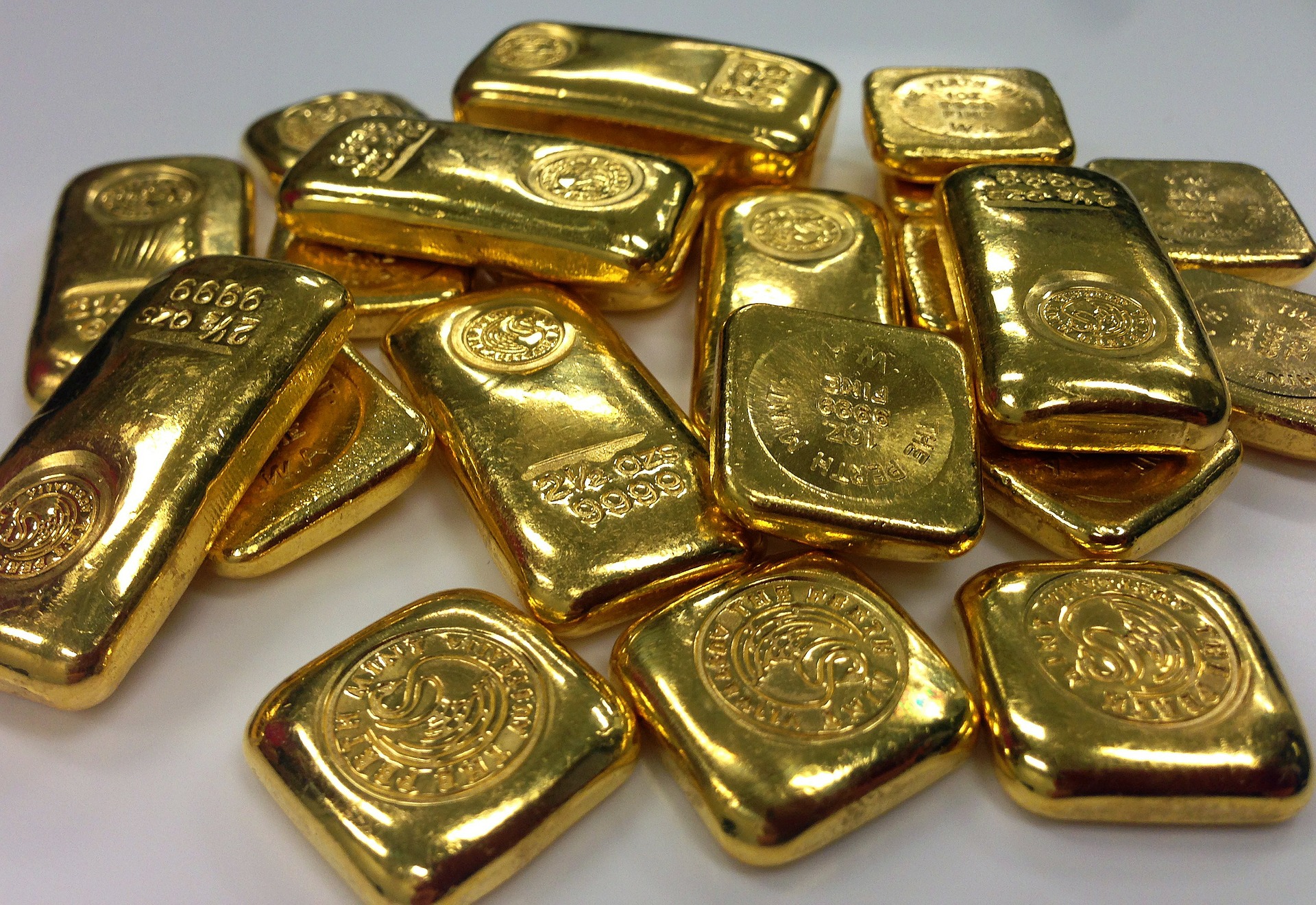
So how much wealth did David have? Is it really an unbelievable amount? Yes, three thousand years ago David had five thousand tons of gold.
1 Chronicles 22:14 Indeed I have taken much trouble to prepare for the
house of the Lord one hundred thousand talents of gold and one million talents of silver, and bronze and iron beyond measure, for it is so abundant. I have prepared timber and stone also, and you may add to them. NKJV
GOLD IS BEAUTIFUL
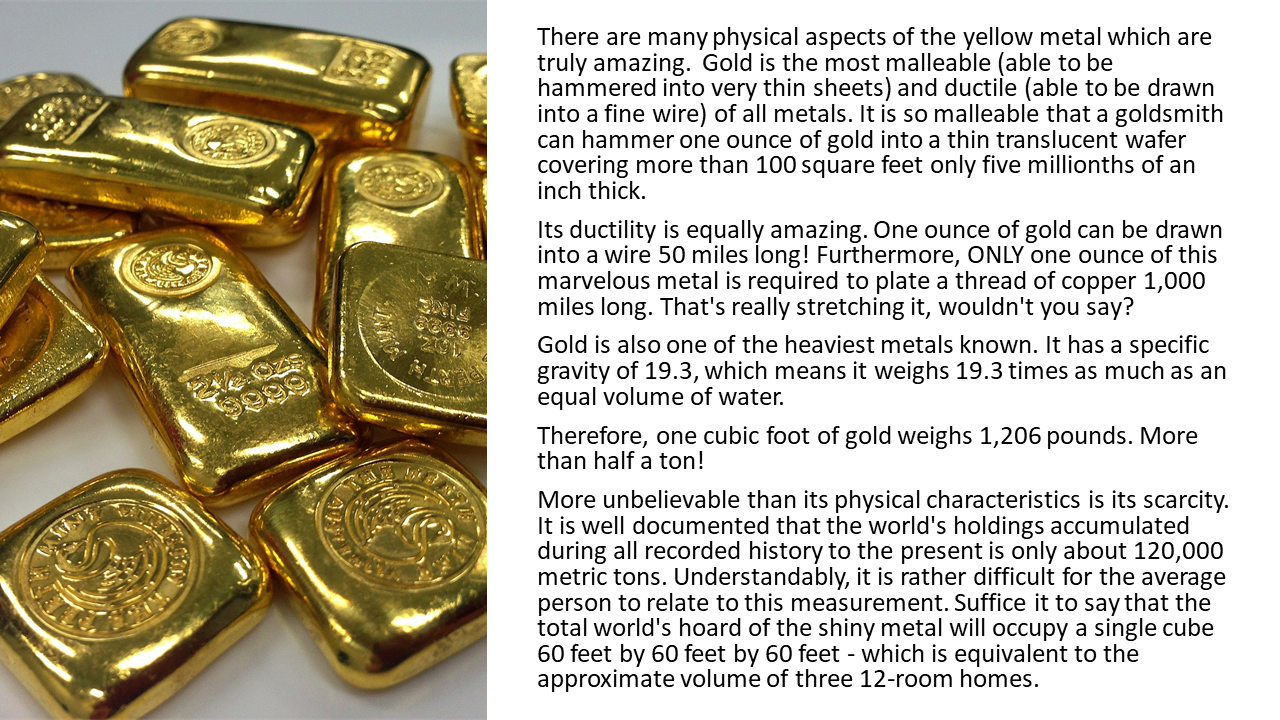
There are many physical aspects of the yellow metal which are truly amazing.
Gold is the most malleable (able to be hammered into very thin sheets) and ductile (able to be drawn into a fine wire) of all metals. It is so malleable that a goldsmith can hammer one ounce of gold into a thin translucent wafer covering more than 100 square feet only five millionths of an inch thick.
Its ductility is equally amazing. One ounce of gold can be drawn into a wire 50 miles long! Furthermore, ONLY one ounce of this marvelous metal is required to plate a thread of copper 1,000 miles long. That’s really stretching it, wouldn’t you say?
Gold is also one of the heaviest metals known. It has a specific gravity of 19.3, which means it weighs 19.3 times as much as an equal volume of water. Therefore, one cubic foot of gold weighs 1,206 pounds. More than half a ton! More unbelievable than its physical characteristics is its scarcity. It is well documented that the world’s holdings accumulated during all recorded history to the present is only about 120,000 metric tons. Understandably, it is rather difficult for the average person to relate to this measurement. Suffice it to say that the total world’s hoard of the shiny metal will occupy a single cube 60 feet by 60 feet by 60 feet – which is equivalent to the approximate volume of three 12-room homes. This is indeed a small volume of matter to have influenced the toil and destiny of so many people since biblical days. In fact the total world’s holdings of the rare metal could be transported by a single solitary oil tanker – that’s if Lloyds of London would ever accept the insurance risk on this priceless cargo. The value of this priceless cargo would be approximately $ 2.2 TRILLION!1
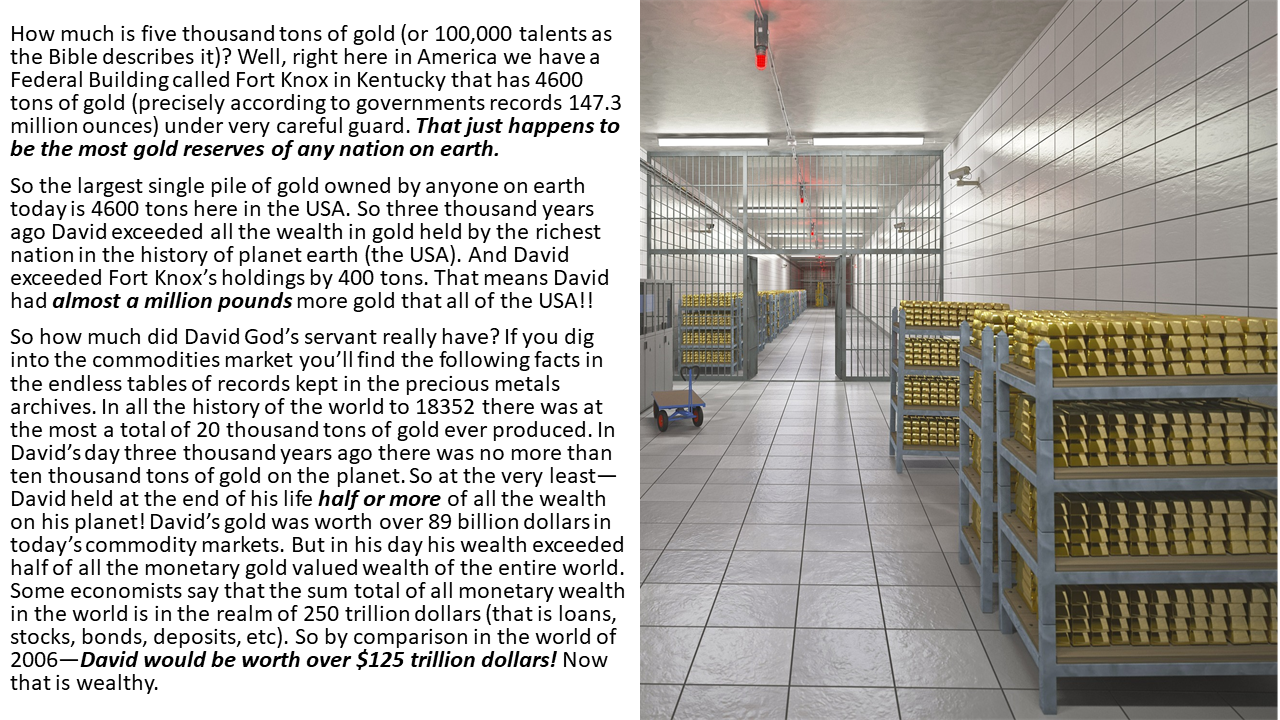
How much is five thousand tons of gold (or 100,000 talents as the Bible describes it)? Well, right here in America we have a Federal Building called Fort Knox in Kentucky that has 4600 tons of gold (precisely according to governments records 147.3 million ounces) under very careful guard. That just happens to be the most gold reserves of any nation on earth.
So the largest single pile of gold owned by anyone on earth today is 4600 tons here in the USA. So three thousand years ago David exceeded all the wealth in gold held by the richest nation in the history of planet earth (the USA). And David exceeded Fort Knox’s holdings by 400 tons. That means David had almost a million pounds more gold that all of the USA!!
 DAVID HAD THE MOST GOLD
So how much did David God’s servant really have?
If you dig into the commodities market you’ll find the following facts in the endless tables of records kept in the precious metals archives. In all the history of the world to 18352 there was at the most a total of 20 thousand tons of gold ever produced. In David’s day three thousand years ago there was no more than ten thousand tons of gold on the planet. So at the very least—David held at the end of his life half or more of all the wealth on his planet!
David’s gold was worth over 89 billion dollars in today’s commodity markets. But in his day his wealth exceeded half of all the monetary gold valued wealth of the entire world. Some economists say that the sum total of all monetary wealth in the world is in the realm of 250 trillion dollars (that is loans, stocks, bonds, deposits, etc). So by comparison in the world of 2006—David would be worth over $125 trillion dollars! Now that is wealthy.
DAVID DIDN’T LIVE FOR WEALTH
David had wealth that is staggering and even hard for us to even believe. Yet NO ONE ever thinks of him as wealthy until after they study that part of his life.
If you wonder why David’s wealth is usually never thought about—the answer is found in a study of the assets of God’s servants. The assets of God’s servants usually follow the words of their Master—
Matthew 6:19-21 “Do not lay up for yourselves treasures on earth, where moth and rust destroy and where thieves break in and steal; 20 but lay up for yourselves treasures in heaven, where neither moth nor rust destroys and where thieves do not break in and steal. 21 For where your treasure is, there your heart will be also. NKJV
James 4:14 whereas you do not know what will happen tomorrow. For what is your life? It is even a vapor that appears for a little time and then vanishes away. NKJV
2 Corinthians 4:18 while we do not look at the things which are seen, but at the things which are not seen. For the things which are seen are temporary, but the things which are not seen are eternal. NKJV
And the wealth of any servant of God is held in hands that are attached to a heart that sings—
All I have belongs to you, For all I have has come from you. Nothing I own, nothing I possess, Is by my own hands, its by Your Faithfulness. So please take this offering, From a heart of Thanksgiving. For You’ve given all I have.
So David is someone we will meet in Heaven. Because who will be in Heaven? God’s Servants. And what do God’s servants do with their treasures? Just like David—they give them back to God. And that is just where we left off last time.
David was “God-hearted” which meant he served God’s purposes. David was under God’s command, he did what the Lord asked him to do, willingly unseen and obscure— always wanting the Lord to get all the glory. A simpler way to say that is—David was God’s servant all his days. No wonder Paul uses the very same concept to describe his own life and ministry.
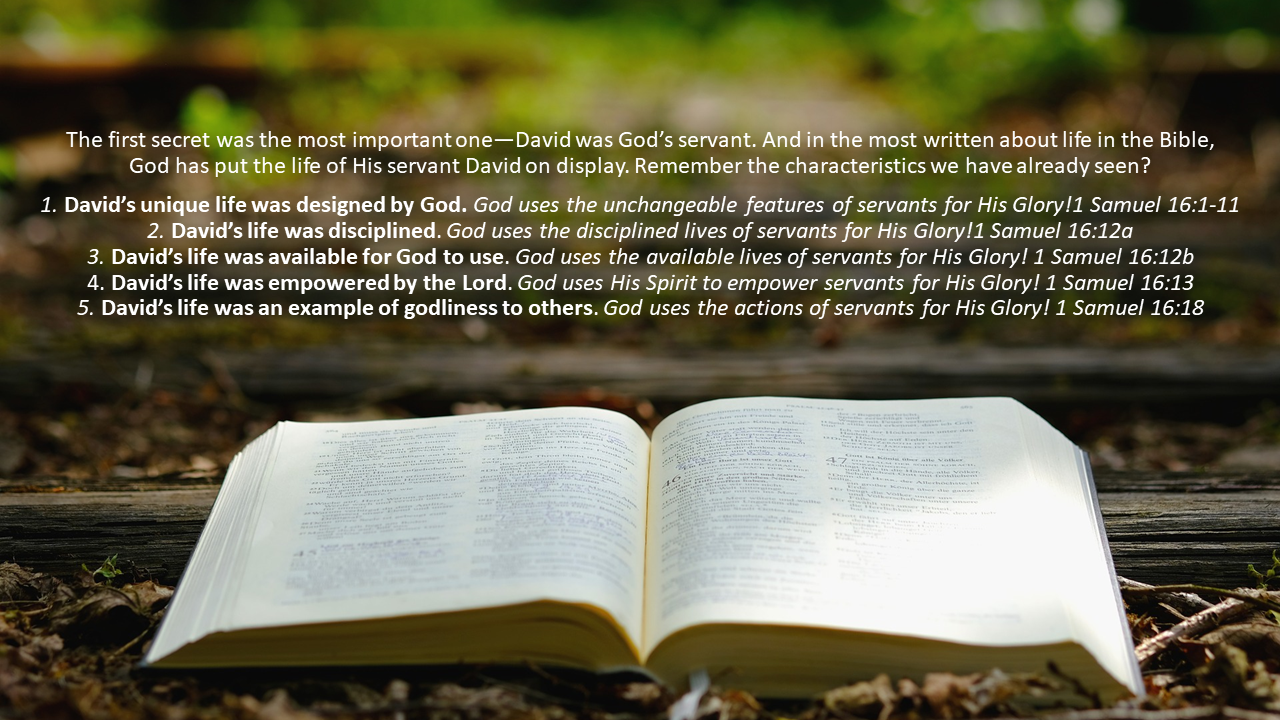
And we have been looking for week after week at the first of David’s spiritual secrets. The first secret was the most important one—David was God’s servant. And in the most written about life in the Bible, God has put the life of His servant David on display. Remember the characteristics we have already seen?
 You may probably have these noted in the margins of your Bible.
If not—why not take a moment and jot them there as I go through them again? They can become a check list for each of us as we seek to cultivate a servant heartedness for the Lord like David’s.
1. David’s unique life was designed by God. God uses the unchangeable features of servants for His Glory!1 Samuel 16:1-11
2. David’s life was disciplined. God uses the disciplined lives of servants for His Glory!1 Samuel 16:12a
3. David’s life was available for God to use. God uses the available lives of servants for His Glory! 1 Samuel 16:12b
4. David’s life was empowered by the Lord. God uses His Spirit to empower servants for His Glory! 1 Samuel 16:13
5. David’s life was an example of godliness to others. God uses the actions of servants for His Glory! 1 Samuel 16:18
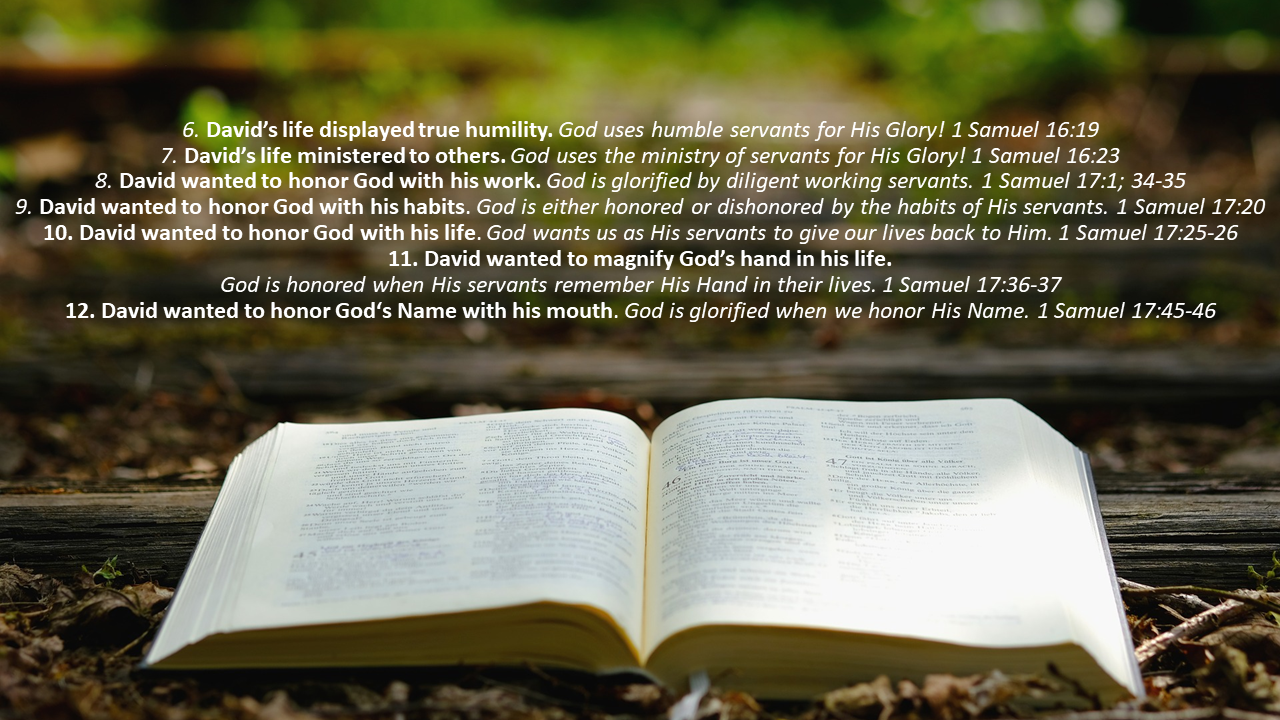
6. David’s life displayed true humility. God uses humble servants for His Glory! 1 Samuel 16:19
7. David’s life ministered to others. God uses the ministry of servants for His Glory! 1 Samuel 16:23
8. David wanted to honor God with his work. God is glorified by diligent working servants. 1 Samuel 17:1; 34-35
9. David wanted to honor God with his habits. God is either honored or dishonored by the habits of His servants. 1 Samuel 17:20
10. David wanted to honor God with his life. God wants us as His servants to give our lives back to Him. 1 Samuel 17:25-26
11. David wanted to magnify God’s hand in his life. God is honored when His servants remember His Hand in their lives. 1 Samuel 17:36-37
12. David wanted to honor God‘s Name with his mouth. God is glorified when we honor His Name. 1 Samuel 17:45-46
Last time we ended with the characteristic of David’s life that he wanted to dedicate his treasures and trophies to the Lord. God is glorified when His servants dedicate their trophies to Him. 1 Samuel 21:9
1 Chronicles 22:14 Indeed I have taken much trouble to prepare for the house of the Lord one hundred thousand talents of gold and one million talents of silver, and bronze and iron beyond measure, for it is so abundant. I have prepared timber and stone also, and you may add to them. NKJV
1 Chronicles 18:11 King David also dedicated these to the Lord, along with the silver and gold that he had brought from all these nations—from Edom, from Moab, from the people of Ammon, from the Philistines, and from Amalek. NKJV
David made this a life long habit. As God gave him great victories, and David was given greater and greater trophies—he just kept giving them back to the Lord. There is no limit to what God will do with a life that keep being given back to Him!
 David poured his life out as an irrecoverable offering because he believed that God deserved the best. Once David longed for the sweet water he had drank as a child that was now behind enemy lines. His mightiest warriors fought through to the well of Bethlehem, drew water, fought their way back, and presented the water to David. David amazed them and actually poured the water on the ground. David poured out the water to the Lord as a drink offering. A drink offering poured out was never recoverable as the ground absorbed every drop. So David gave to the Lord irrecoverably what was most precious to him. David poured out the water from the well of his childhood, just like the treasures of his career because David believed that God deserved the best of his time, treasures, and talents.
2 Samuel 23:13-17 Then three of the thirty chief men went down at harvest time and came to David at the cave of Adullam. And the troop of Philistines encamped in the Valley of Rephaim. 14 David was then in the stronghold, and the garrison of the Philistines was then in Bethlehem. 15 And David said with longing, “Oh, that someone would give me a drink of the water from the well of Bethlehem, which is by the gate!” 16 So the three mighty men broke through the camp of the Philistines, drew water from the well of Bethlehem that was by the gate, and took it and brought it to David. Nevertheless he would not drink it, but poured it out to the Lord. 17 And he said, “Far be it from me, O Lord, that I should do this! Is this not the blood of the men who went in jeopardy of their lives?” Therefore he would not drink it. These things were done by the three mighty men. NKJV
Remember I told you last time that the only two individuals that call themselves under rowers (bottom level galley slaves) in the Bible are Paul and David? Well here is another parallel. Both men ‘poured out’ their lives for the Lord as an irrecoverable offering given to the Lord with no hope of return. That is the life of a servant and that is a life that God rewards.
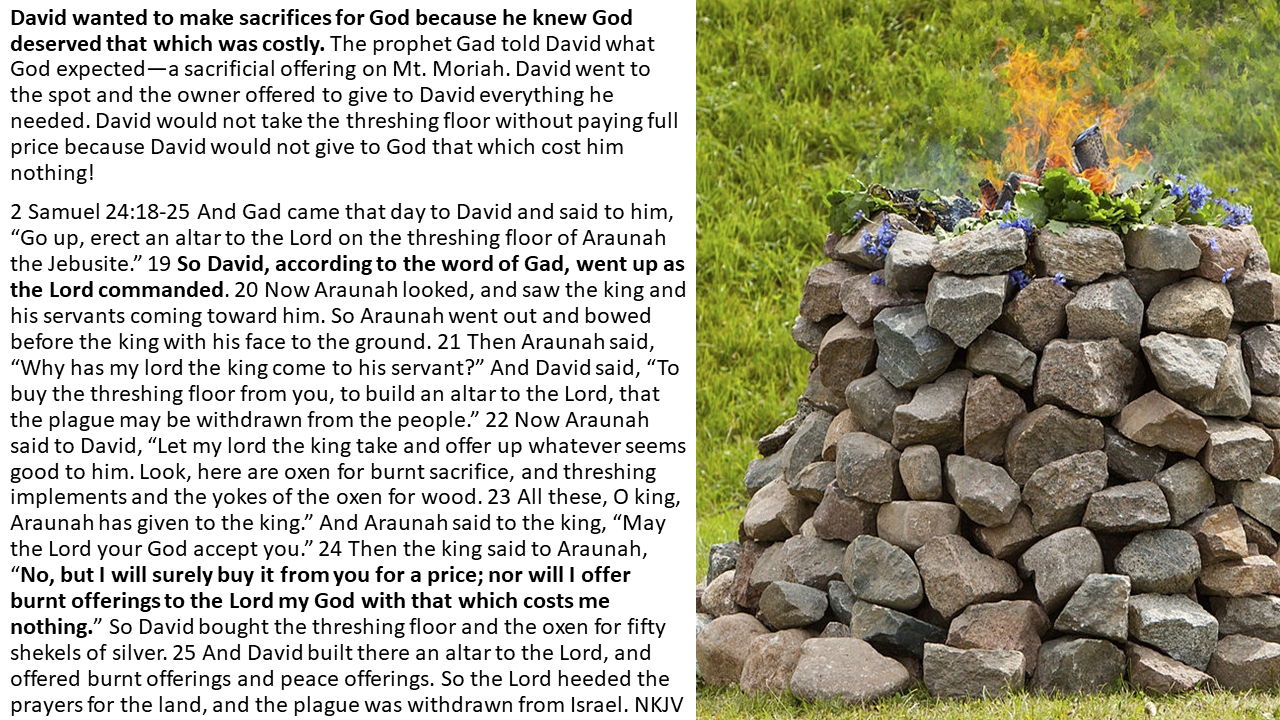
David wanted to make sacrifices for God because he knew God deserved that which was costly. The prophet Gad told David what God expected—a sacrificial offering on Mt. Moriah. David went to the spot and the owner offered to give to David everything he needed. David would not take the threshing floor without paying full price because David would not give to God that which cost him nothing!
2 Samuel 24:18-25 And Gad came that day to David and said to him, “Go up, erect an altar to the Lord on the threshing floor of Araunah the Jebusite.” 19 So David, according to the word of Gad, went up as the Lord commanded. 20 Now Araunah looked, and saw the king and his servants coming toward him. So Araunah went out and bowed before the king with his face to the ground. 21 Then Araunah said, “Why has my lord the king come to his servant?” And David said, “To buy the threshing floor from you, to build an altar to the Lord, that the plague may be withdrawn from the people.” 22 Now Araunah said to David, “Let my lord the king take and offer up whatever seems good to him. Look, here are oxen for burnt sacrifice, and threshing implements and the yokes of the oxen for wood. 23 All these, O king, Araunah has given to the king.” And Araunah said to the king, “May the Lord your God accept you.” 24 Then the king said to Araunah, “No, but I will surely buy it from you for a price; nor will I offer burnt offerings to the Lord my God with that which costs me nothing.” So David bought the threshing floor and the oxen for fifty shekels of silver. 25 And David built there an altar to the Lord, and offered burnt offerings and peace offerings. So the Lord heeded the prayers for the land, and the plague was withdrawn from Israel. NKJV

Look at the end of his life, what did David do with all those treasures?
1 Chronicles 22:14 Indeed I have taken much trouble to prepare for the house of the Lord one hundred thousand talents of gold and one million talents of silver, and bronze and iron beyond measure, for it is so abundant. I have prepared timber and stone also, and you may add to them. NKJV
1 Chronicles 29:2-3 Now for the house of my God I have prepared with all my might: gold for things to be made of gold, silver for things of silver, bronze for things of bronze, iron for things of iron, wood for things of wood, onyx stones, stones to be set, glistening stones of various colors, all kinds of precious stones, and marble slabs in abundance. 3 Moreover, because I have set my affection on the house of my God, I have given to the house of my God, over and above all that I have prepared for the holy house, my own special treasure of gold and silver: NKJV
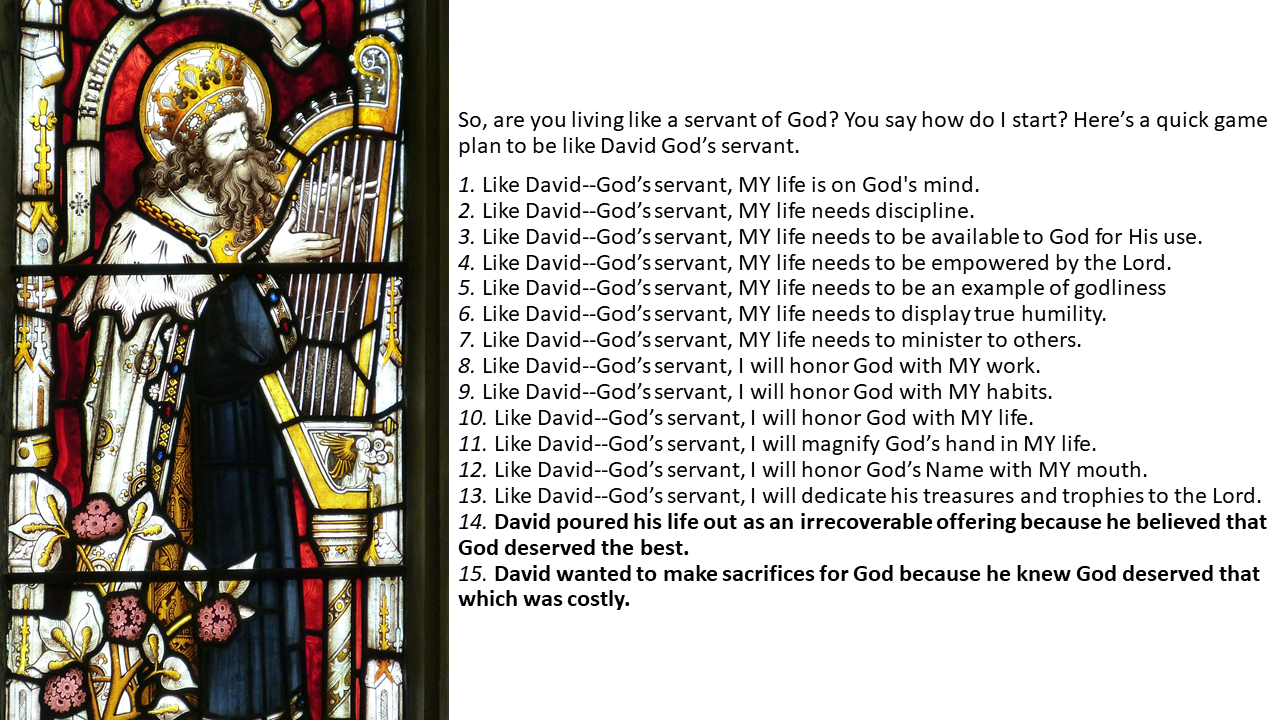
So, are you living like a servant of God? You say how do I start? Here’s a quick game plan to be like David God’s servant.
1. Like David–God’s servant, MY life is on God’s mind.
2. Like David–God’s servant, MY life needs discipline.
3. Like David–God’s servant, MY life needs to be available to God for His use.
4. Like David–God’s servant, MY life needs to be empowered by the Lord.
5. Like David–God’s servant, MY life needs to be an example of godliness
6. Like David–God’s servant, MY life needs to display true humility.
7. Like David–God’s servant, MY life needs to minister to others.
8. Like David–God’s servant, I will honor God with MY work.
9. Like David–God’s servant, I will honor God with MY habits.
10. Like David–God’s servant, I will honor God with MY life.
11. Like David–God’s servant, I will magnify God’s hand in MY life.
12. Like David–God’s servant, I will honor God’s Name with MY mouth.
13. Like David–God’s servant, I will dedicate his treasures and trophies to the Lord.
14. David poured his life out as an irrecoverable offering because he believed that God deserved the best.
15. David wanted to make sacrifices for God because he knew God deserved that which was costly.
Probably every one of us in this room have heard the famous life’s motto that the great missionary Charles Thomas Studd (1860-1931) lived and died by–
“Only one life, ‘twill soon be past; and only what’s done for Christ— will last.”
However, few of us realize when it was that he said those words. It was on his deathbed with his precious family gathered around him. He had already told each of his children that he wished he had something to give to them, but he had nothing left. Then he said, “..but I gave it all to Jesus long ago.”3
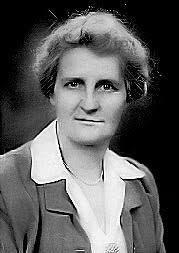 When Avis B. Christiansen (1895-1985), the wife of the Vice President of Moody Bible Institute heard these precious words spoken by C.T. Studd at his death, she began to ponder them. A few years later in 1937, she wrote a now famous hymn, “Only One Life to Offer”. Listen to her reflections that turned into a prayer of devotion to the Lord she also served with all her heart (hymn # 378):
Only one life to offer– Jesus, my Lord and King; Only one tongue to praise Thee And of Thy mercy sing; Only one heart’s devotion– Savior, O may it be Consecrated alone to Thy matchless glory, Yielded fully to Thee.
Only this hour is mine, Lord– May it be used for Thee; May ev’ry passing moment Count for eternity; Souls all about are dying, Dying in sin and shame; Help me bring the message of Calv’ry’s redemption In Thy glorious name.
Only one life to offer– Take it, dear Lord, I pray; Nothing from Thee withholding, Thy will I now obey; Thou who hast freely given Thine all in all for me, Claim this life for Thine own to be used, my Saviour, Ev’ry moment for Thee.
1 http://www.gold-eagle.com/gold_digest/history_gold.html
2 More unbelievable than its physical characteristics is its scarcity. It is well documented that the world’s holdings accumulated during all recorded history to the present is only about 120,000 metric tons. From 1910 to the present 75% of all gold that has ever existed has been mined (113,538 tons). Before 1910 there was a sum total of 40 thousand tons. From 1835 when mining records were established to 1910 a total of 16 thousand tons were mined. So there was about 20,000 tons on the high side by 1835. So just go back nearly three thousand years of digging and searching and you see how much David had amassed!
3 Elisabeth Elliot, Passion & Purity, Fleming Revell, p. 43
Slides


Check Out All The Sermons In The Series
You can find all the sermons and short clips from this series, David’s Spiritual Secret here.
Looking To Study The Bible Like Dr. Barnett?
Dr. Barnett has curated an Amazon page with a large collection of resources he uses in his study of God’s Word. You can check it out here.